
Identifying the underlying cause
If you regularly experience dizziness, unsteadiness, or the sensation that the room is spinning, it can have a significant impact on your daily life. Simple everyday activities such as walking, shopping, driving, or even turning your head can become challenging.
If you’re experiencing any of these symptoms, it’s important to identify the underlying cause so you can receive the most appropriate treatment.

Understanding Vertigo and Balance Problems
What is Vertigo?
Vertigo is more than just dizziness. It’s the sensation that you or your surroundings are spinning or moving, even when you are perfectly still.
Episodes of vertigo can last anywhere from a few seconds to several hours and are often accompanied by other symptoms, such as nausea, a sense of unsteadiness, or difficulty walking and maintaining balance.
What are balance problems?
The term ‘balance problems’ is used to describe difficulties with balance, stability and coordination. Symptoms may include feeling unsteady when walking or standing, dizziness, sensitivity to movement, or a tendency to lose your balance. These symptoms can affect people in different ways and may make everyday activities more difficult.
Common symptoms of vertigo and balance disorders include, but are not limited to:
- A false sense of spinning
- Persistent dizziness or light-headedness
- Feeling faint
- Unsteadiness when walking or standing
- Sensitivity to movement
- Blurred vision
- Nausea and vomiting
The symptoms listed above can have many different causes, which is why an accurate assessment is so important.
What causes vertigo?
One of the most common causes of vertigo is Benign Paroxysmal Positional Vertigo (BPPV). It occurs when tiny calcium carbonate crystals (otoconia) in the inner ear become displaced, affecting the balance system. This can cause brief episodes of vertigo, often triggered by changes in head position, such as looking up, bending down, or turning over in bed.
If BPPV is diagnosed, treatment may include canal repositioning manoeuvres where appropriate. These are a series of gentle head and body movements performed by a trained clinician to guide the displaced calcium crystals back to their normal position within the inner ear, helping to relieve the symptoms of vertigo.
While canal repositioning manoeuvres are commonly used to treat BPPV, they are only one part of vestibular care. Many people experiencing dizziness, vertigo and balance disorders may also benefit from vestibular rehabilitation.
What Is Vestibular Rehabilitation?

Vestibular rehabilitation is a specialist treatment designed to help people experiencing dizziness, vertigo and balance disorders.
Vestibular rehabilitation combines rehabilitation exercises tailored to you with practical advice to help your brain adapt to and compensate for changes affecting your balance system. Over time, this can help reduce dizziness and improve balance.
Many people continue to experience symptoms after their initial diagnosis, but with the right rehabilitation programme, many patients experience an improvement in their symptoms, helping them reduce dizziness, feel steadier and return to everyday activities with greater confidence.
At Hearing Therapy, we take dizziness, vertigo and balance problems seriously. Our specialist Audiologist-led Vertigo and Balance Service is designed to help identify the underlying cause of your symptoms and recommend the most appropriate treatment.
Meet Chris Bowes, Our Senior Vestibular Audiologist
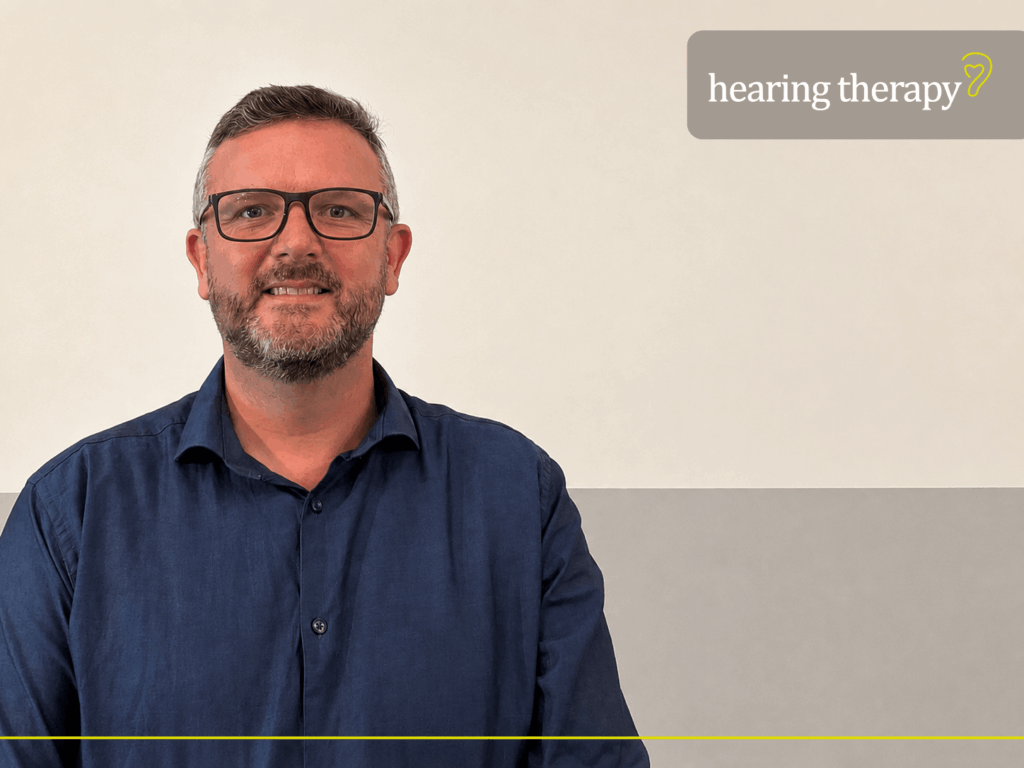
Now that we’ve explored Benign Paroxysmal Positional Vertigo (BPPV), one of the most common causes of vertigo, we’d like to introduce the specialist leading our new Vestibular Rehabilitation Service.
We are delighted to welcome Chris Bowes RHAD, MSHAA (Registered Hearing Aid Dispenser and Member of the British Society of Hearing Aid Audiologists), to Hearing Therapy as our Senior Vestibular Audiologist.
Chris’s expertise lies in hearing aid technology and vestibular assessment and rehabilitation, ensuring patients receive personalised solutions to improve their hearing and balance. He has worked extensively with advanced hearing aid systems, helping individuals find the technology best suited to their needs. By combining cutting-edge technology with patient-centred care, he has empowered countless individuals to regain confidence in their daily lives.
Beyond his clinical practice and educational work, Chris is also a published author and researcher, contributing to advancements in balance health and audiology. He has authored two chapters in a book focused on balance, detailing key approaches to assessment and rehabilitation. In addition, his research has contributed to the development of innovative balance treatments, with several published papers showcasing cutting-edge approaches designed to improve patient outcomes. Through these contributions, he aims to bridge the gap between research and clinical practice, ensuring that advancements in hearing and balance care directly benefit those who need them.
What Does Our Balance Service Include?
Our Audiologist-Led Vertigo and Balance Service provides specialist assessment and evidence-based management for a wide range of balance disorders.
Depending on your individual needs, your appointment may include:
- Assessment for conditions such as Benign Paroxysmal Positional Vertigo (BPPV)
- Canal repositioning manoeuvres (where appropriate)
- Individualised vestibular rehabilitation advice and exercise programmes
- Clear clinical reports for your GP
- Referral to ENT or neurology services when required
Every treatment plan is tailored to your individual symptoms, diagnosis and rehabilitation goals.
Who Is This Service Suitable For?
Our Audiologist-Led Vertigo and Balance Service is suitable for adults who have already undergone assessment by an ENT consultant or Audiovestibular Physician and have been diagnosed with, or are suspected to have, a vestibular or balance disorder.
Referrals and self-referrals are welcome where applicable.
Why Choose Hearing Therapy?
Choosing Hearing Therapy means you’ll benefit from experienced audiologists with specialised vestibular training who deliver high-quality, evidence-based care.
We provide:
- Specialist audiologist-led clinical expertise
- Access to specialist assessment and treatment
- Evidence-based vestibular care
- A holistic approach focused on helping you stay active, safe and independent.
- Clear communication with your GP and wider healthcare team
Dizziness and balance disorders can be distressing and disruptive, but early assessment and appropriate treatment can help improve outcomes and reduce the impact of symptoms.
Supporting Patients Across Sheffield, Derbyshire and Mirfield, West Yorkshire
Hearing Therapy provides specialist vestibular rehabilitation services throughout:
- Sheffield
- Derbyshire
- Mirfield, West Yorkshire
- Surrounding areas
If you’re experiencing dizziness, vertigo or balance problems and would like to learn more about whether vestibular rehabilitation is right for you, our experienced team is here to support you.
Book Your Treatment Today
Contact Hearing Therapy today to find out more or book an appointment.