
Wondering what happens in your brain when you first start wearing hearing aids? You put them in, turn them on, and suddenly you can hear things you haven’t really noticed for years.
The fridge humming. Your clothes moving. The sound of your footsteps. Birdsong. Noisy paper bags and crisp packets. Maybe even the clock ticking. And flushing the toilet sounds like Niagara Falls…
And then you might think, “Why does everything sound so loud?” If that sounds familiar, don’t worry. You’re not alone, and it’s to be expected.
Here, we explain why
One of the things people are often surprised by when they first get hearing aids is that adjusting to them isn’t just about your ears getting used to the sound and how they feel.
Your brain is an important part of helping you hear better, and it takes time for it to adjust and get used to hearing all these sounds again. Your brain has become used to your hearing loss, including not hearing certain sounds anymore or hearing some sounds more quietly.
If you’ve had your hearing loss for a while, your brain has already made adjustments. It has become used to receiving less sound and, in particular, less of certain frequencies and types of sounds. Sounds that used to be obvious may have gradually faded into the background.
You probably didn’t notice this happening. It tends to happen slowly. Then you put your hearing aids on. Suddenly, those sounds are back. Your brain hasn’t forgotten how to hear, but it isn’t necessarily used to processing this much information anymore.
It’s a bit like walking into a room where the lights have been off for a long time, and someone suddenly switches them on. At first, everything seems incredibly bright. After a while, your eyes adjust until everything looks normal again. Something similar can happen with your hearing.
Why does everything sound so loud?

This is one of the most common things new hearing aid wearers mention.
You might notice things like:
- The kettle boiling
- Plates and cutlery
- The television
- Traffic
- People talking in the background
- Doors closing
- Your clothes rubbing together
- Your own voice
Often, these sounds aren’t actually too loud. They’re just sounds your brain hasn’t had to pay much attention to for some time. Your brain is basically having to work out: “Is this important? Do I need to listen to this?”
With time, it gets better at answering those questions. The sounds that initially seem distracting can become much less noticeable as your brain learns to filter them out.
Your own voice might sound strange
This one catches a lot of people out. You may put your hearing aids in and immediately think your voice sounds odd. It might sound louder, fuller, echoey or even as though you’re talking inside a box. It’s perfectly understandable that this can be annoying.
Your hearing aids are changing the way sound reaches your ears, and you’re suddenly hearing your own voice in a different way. For many people, this becomes less noticeable as they get used to their hearing aids. If it doesn’t improve, though, mention it to one of the Hearing Therapy team. We can often make adjustments to the hearing aids to make your voice sound more natural.
Listening can be tiring at first

Another thing people don’t always expect is that listening can feel tiring. You might have a conversation with someone and feel mentally exhausted afterwards. This can be particularly noticeable in places like restaurants, family gatherings or busy shops.
Your brain is trying to make sense of speech while also dealing with all the other sounds around you. When you’re new to hearing aids, that can take quite a bit of concentration. This is often referred to as listening fatigue. It doesn’t mean that your hearing aids aren’t working. In fact, it can simply be part of your brain getting used to processing more sound.
As you become more familiar with the sounds around you, listening may start to feel much less demanding.
Give yourself time
One of the biggest mistakes people can make is expecting their hearing aids to feel completely natural from day one.
For some people, they do. For others, it can take up to six months to fully adjust. This may sound like a long time; however, the adjustment happens gradually and may be quicker the more you wear your hearing aids during the day.
There’s no magic number of days, weeks or months because everyone’s hearing is different. If you’ve had hearing loss for many years, your adjustment period may be different from someone who has only recently noticed a change in their hearing.
Try not to compare yourself with somebody else. Your brain has its own timetable.
Start somewhere comfortable
You don’t have to put your hearing aids in for the first time and immediately head into the busiest restaurant in town. Start at home. Listen to the television. Have a conversation with someone you know. Go for a walk somewhere relatively quiet.
As things start to feel more comfortable, gradually introduce noisier environments.
The more opportunities your brain has to hear and process different sounds, the more familiar those sounds can become. And don’t be surprised if something you found incredibly annoying on day one barely bothers you a few weeks later. Your brain is learning and adapting to hearing those new sounds.
Don’t suffer in silence
Although some adjustment is completely normal, you shouldn’t feel that you must put up with hearing aids that are uncomfortable or consistently unpleasant. If sounds are painfully loud, speech doesn’t sound right, your hearing aids are physically uncomfortable, or you’re struggling to wear them for any length of time, speak to one of the Hearing Therapy team who will help.
Sometimes a small adjustment to the hearing aid settings can make a big difference. Your hearing aids should help you hear more comfortably, not make you dread putting them in.
The important thing to remember
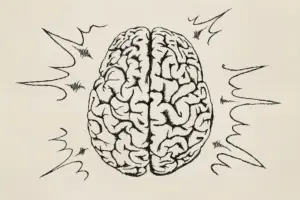
Getting used to hearing aids isn’t just about getting used to a small device sitting behind or in your ear. Your brain is getting used to a different soundscape.
It has spent time adapting to your hearing loss, and now it needs time to adapt to having more sound available again. So, if everything sounds a little strange at first, don’t panic.
The rustling of your clothes, the noise of the kettle, your own voice and all those little sounds you’ve forgotten about may take some getting used to. Give your brain time.
Wear your hearing aids as advised by our Hearing Therapy team and let yourself gradually get used to the difference. And if something doesn’t feel right, ask for help. Your hearing aids can often be adjusted to suit you better.
It isn’t just your ears that are learning to hear differently. Your brain is learning too.
Need help with your hearing aids?
Get in touch with the Hearing Therapy team to book an appointment or find out how we can help.